
Star Wars Zero Company Faces Crisis


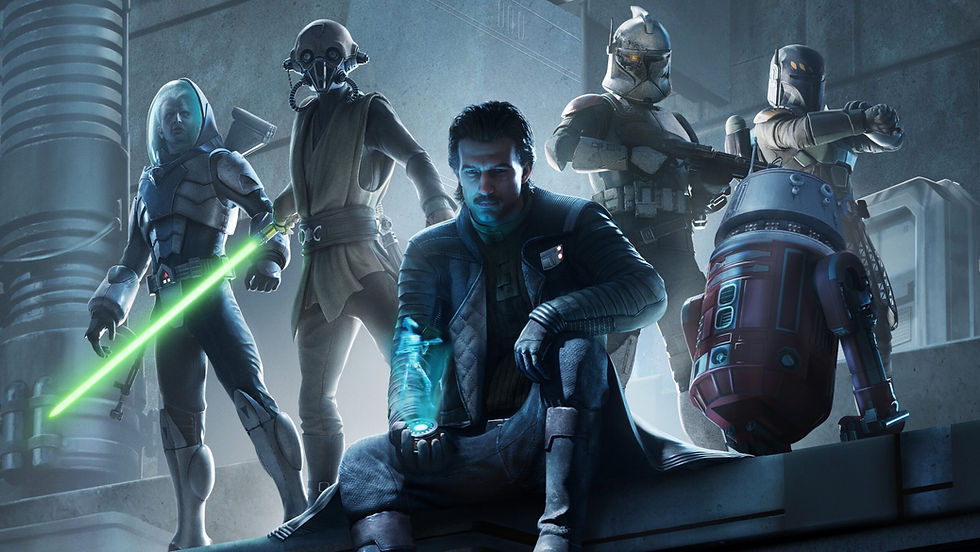
Star Wars Zero Company has arrived to a surprisingly complicated reception. The tactical strategy game launched on Steam with a 79% positive rating, giving Bit Reactor a promising start. Yet behind those positive reviews is a much less celebratory story: around 80% of the studio’s developers were furloughed before the game even reached players.
According to a report from Stephen Totilo at Game File, only a skeleton crew remained employed to deal with post-launch issues. For most of the people who actually built the game, launch day arrived after their paychecks had already stopped.
The situation highlights some uncomfortable realities facing the modern games industry, particularly for smaller studios working on ambitious licensed projects.
A Strong Launch With a Troubling Backstory
On the surface, Star Wars Zero Company appears to have achieved an encouraging launch. A 79% positive rating on Steam suggests that players are generally enjoying the tactical experience and that Bit Reactor managed to deliver a game that resonated with its audience.
That makes the circumstances surrounding its release even more striking.
Reports indicate that approximately 80% of Bit Reactor's development team was furloughed before launch. The remaining employees were tasked with handling the problems and responsibilities that inevitably follow a major release.
In other words, the people responsible for creating Zero Company largely weren't around to celebrate its arrival.
For the broader gaming community, it is another reminder that a successful-looking launch does not necessarily mean the developers behind it are financially secure.

Bit Reactor Ran Out of Money
A representative from Bit Reactor reportedly confirmed to Totilo that the studio had run out of money shortly before Star Wars Zero Company launched.
The studio did not provide a detailed explanation for the financial shortfall. However, a 2024 court filing referenced a 2021 EA funding agreement worth $50 million for Bit Reactor's Star Wars project.
That number should not automatically be treated as the game's final development budget. The filing does not establish that $50 million represented the entire amount spent on the project. Still, if it was close to the intended funding level, the situation demonstrates how expensive modern game development can become.
Large licensed projects involve development teams, technology, testing, marketing, infrastructure and years of production. Even substantial funding can disappear quickly when development takes longer than expected.
Developers Went Public After the Launch
The furlough situation became especially visible after developer Zachariah Scott posted about it on LinkedIn shortly after release.
Scott, who had been furloughed, accused Bit Reactor of concealing that the team had already been furloughed weeks earlier. The timing created additional frustration because senior members of the studio were publicly celebrating and praising the developers' work around the same period.
For affected employees, the issue was not simply losing their jobs or income. It was also the feeling that the reality inside the studio did not match the public messaging surrounding the launch.
This is an increasingly familiar problem across the games industry. Studios can spend years presenting development milestones, trailers and launch announcements to the public while employees may be dealing with layoffs, furloughs or uncertainty behind the scenes.
Another Battle Is Happening in Court
Bit Reactor's financial problems are also unfolding alongside an internal legal dispute.
Co-founder Alison Kelly claims that she was a co-owner of the studio and that fellow co-founder Greg Foertsch gradually pushed her out. Kelly is seeking more than $20 million in damages.
The lawsuit had been expected to go to trial in June 2026, but the proceedings were postponed until 2027.
That delay potentially gives Bit Reactor additional time to generate revenue from Star Wars Zero Company before the legal dispute reaches trial. However, whether the game's commercial performance will be strong enough to meaningfully change the studio's financial position remains unknown.
Can Zero Company Bring Developers Back?
Bit Reactor has reportedly said that it hopes to bring furloughed employees back with restored pay if its financial situation improves.
That is an understandable goal, but it is not a guarantee.
A 79% Steam rating is encouraging, yet reviews alone do not determine whether a game will generate enough revenue to support a full development team. Zero Company also operates within the relatively specialized tactics genre, which has a smaller potential audience than the biggest mainstream gaming categories.
The game's performance over the coming months could therefore be crucial.
If sales remain strong, Bit Reactor may have an opportunity to rebuild its team. If revenue falls short, however, bringing back hundreds of employees could be considerably more difficult.
A Bigger Problem Across Gaming
The Star Wars Zero Company situation is bigger than one studio.
The games industry has experienced repeated rounds of layoffs and studio closures in recent years. Projects can require enormous budgets and long development cycles, while publishers and investors ultimately expect commercial returns.
When development costs exceed available funding, employees frequently become the first people affected.
That makes Zero Company particularly uncomfortable as a case study. The game appears to have launched successfully enough to earn positive player feedback, but many of the developers who created it are not currently being paid.
It is a sharp reminder that a game's success and a studio's financial health are not always the same thing.
For those following the evolution of Blockchain games, the situation also touches on a broader industry question: how can game studios build sustainable businesses around increasingly expensive development projects? Whether the answer involves traditional publishing, live-service models, player-owned economies or blockchain technology, sustainable funding remains essential.
What Happens Next for Bit Reactor?
The immediate future of Bit Reactor will likely depend heavily on Star Wars Zero Company's commercial performance.
There are several major questions still hanging over the studio:
Will Zero Company generate enough revenue to stabilize Bit Reactor?
Can furloughed developers eventually return with full pay?
How will the studio manage its legal dispute ahead of the 2027 trial?
Will strong player reception translate into long-term sales?
Can Bit Reactor continue operating without another major funding source?
For now, there are no definitive answers.
What is clear is that Star Wars Zero Company has managed to launch into an unusual situation. Players are reviewing and playing the game, while much of the team responsible for making it is already off the payroll.
Final Thoughts
Star Wars Zero Company may have earned a respectable launch rating, but its release has exposed serious financial problems at Bit Reactor.
The studio reportedly ran out of money shortly before launch, around 80% of its developers were furloughed, and one affected developer publicly challenged the studio's handling of the situation. At the same time, Bit Reactor is facing a co-founder lawsuit that is now expected to reach trial in 2027.
The studio hopes revenue from Zero Company will eventually allow it to restore pay and bring its developers back.
For now, though, the game's positive Steam reception tells only half the story. Behind the successful launch is a development team waiting to find out whether the game they spent years creating can ultimately save their jobs.


Comments