
Stomp Redefines Onchain Monster Battles


The fully onchain monster battler Stomp has officially stepped beyond its pre-alpha phase—and it’s doing so with confidence. Built by Owen Shen, the game blends the charm of creature-collecting RPGs with the chaotic edge of arena fighters, all while running entirely onchain via MegaETH.
With refreshed visuals, major gas optimizations, and a growing roster of monsters, Stomp is no longer just an experiment—it’s a live, playable statement. And more importantly, it’s a direct response to everything that went wrong in the last wave of web3 gaming.

A Fresh Take on Blockchain Games
At its core, Stomp is a 1v1 turn-based PvP battler. Players assemble a team of monsters and face off in real-time matches where every move is recorded onchain. Think creature strategy meets competitive timing, with a design philosophy rooted in gameplay first.
Unlike many previous titles in the blockchain games space, Stomp doesn’t try to overwhelm players with token mechanics or financial systems. Instead, it focuses on delivering a tight, engaging loop:
Build your monster team
Queue into real-time matchmaking
Outplay your opponent in turn-based combat
The twist? Every match exists transparently onchain, making the game both verifiable and composable.

Inspired by Pokémon and Smash Bros.
Stomp wears its inspirations proudly. It channels the collection and strategy elements of classic monster RPGs while injecting the “crossover chaos” energy often associated with arena fighters.
The current roster already includes a mix of web3-native and original creatures:
Bulls, Hypurrs, Ghouls, Miladies, Llamas
Originals like Aurox, Ekineki, Ghouliath, Malalien, Nirvamma
This blend gives Stomp a distinct identity—one that feels native to crypto culture without alienating new players.
Why Web3 Gaming Failed Before
Alongside the launch, Shen published a candid breakdown of why so many blockchain games struggled in the past cycle.
His core argument? A mismatch between game design and venture economics.
Projects raised massive funding—often hundreds of millions—then faced impossible expectations. This led to two common pitfalls:
Overextended studios building multiple unfinished games
Premature token launches driven by speculation rather than utility
The result was predictable: inflated valuations, shallow gameplay, and communities built around earning rather than playing.
Shen’s stance is clear—if a game starts as a financial product, it will end as one too.
How Stomp Is Built Differently
Stomp takes a radically different approach, both technically and philosophically.
On the technical side, it pushes the limits of what’s possible on the EVM:
A custom Solidity-to-TypeScript transpiler allows clients to simulate outcomes instantly
A commit-reveal system combines matchmaking and turns into a single low-cost transaction
Heavy optimization through storage reuse and contract inlining
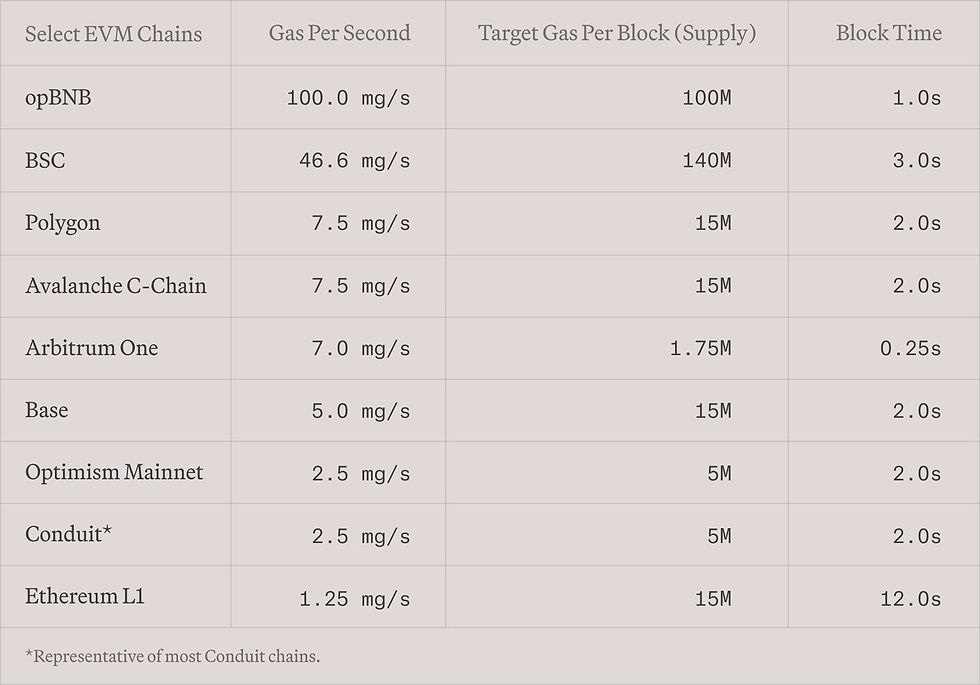
Thanks to MegaETH’s high throughput and low latency, these systems come together to create something rare: an onchain game that actually feels responsive.
This is what Shen calls “onchain maximalism where it matters, speed everywhere else.”
No Tokens, No Hype—Just Gameplay
One of the boldest decisions behind Stomp is what it doesn’t include.
There’s:
No pre-launch token
No NFT presale
No airdrop farming loop
In a space often dominated by speculation, this is almost countercultural.
Shen directly rejects the “play-to-earn” model, arguing that games and jobs should not be conflated. A game should first be fun, expressive, and meaningful. Only then can markets emerge naturally on top.
It’s a simple idea—but one the industry has repeatedly failed to execute.
The Role of MegaETH
Stomp wouldn’t be possible without MegaETH.
Designed for real-time onchain applications, MegaETH delivers:
Sub-millisecond responsiveness
Massive throughput (targeting 100,000+ TPS)
Stable performance under extreme load
During its stress tests in early 2026, the network processed billions of transactions—many generated by games like Stomp.
This matters because gaming represents one of the toughest workloads for any blockchain. If a network can handle real-time PvP interactions, it can handle almost anything.

The Builder Behind Stomp
Owen Shen is no stranger to pushing boundaries.
Before Stomp, he:
Created 0xmons, one of the earliest fully onchain NFT collections
Built Sudoswap, now widely used across NFT ecosystems
His work has consistently explored what’s possible when you treat the blockchain as more than just a financial layer.
With Stomp, he’s aiming to prove that the EVM can support culture, gameplay, and experimentation—not just markets.
What Comes Next for Stomp
The game is live, but this is just the beginning.
Upcoming developments include:
Expanded monster roster
A deep technical blog on the game’s architecture
Continued iteration based on live player feedback
Shen’s long-term vision isn’t to build an esport giant. Instead, he imagines Stomp as a cultural artifact—something people bring to Ethereum events, play casually, and remember.
It’s a modest goal on paper, but in practice, it could be exactly what the space needs.
A Real Test for Onchain Gaming
Stomp is more than just another launch—it’s a live experiment.
Can a fully onchain game succeed without leaning on tokens?Can gameplay-first design outperform speculation-driven hype?Can blockchain games finally stand on their own?
Nobody is early to these questions anymore. But very few have answered them.
Now, with Stomp open to anyone willing to jump in, we finally get to find out.


Comments