
Marvel Rivals Lower Manhattan Map Guide


Season 7 of Marvel Rivals introduces one of its most dynamic battlegrounds yet—the Lower Manhattan map. Designed specifically for Convergence mode, this arena blends futuristic chaos from 2099 with present-day New York, creating a visually striking and tactically demanding experience.
For fans of evolving multiplayer ecosystems—especially those exploring blockchain games—this kind of layered design showcases how modern PvP environments are becoming more strategic, reactive, and immersive.
Let’s break down what makes this map tick and how you can dominate it.
Lower Manhattan Map Overview
Lower Manhattan is all about contrast. You’re fighting across sleek, high-tech interiors and gritty city streets, seamlessly connected into a compact battlefield that keeps the action constant.
The map is filled with subtle Marvel references, rewarding observant players without disrupting gameplay flow. Movement is fast and fluid, with frequent transitions between open areas and tight corridors. This forces players to constantly adapt positioning and tactics mid-fight.
What really stands out is how the design encourages quick decision-making—hesitate for a second, and you’re already outplayed.
UAV Scanning System Explained
One of the most game-changing mechanics here is the UAV scanning system.
Unlike traditional vision tools, this system automatically reveals:
Enemy locations
Ultimate charge levels
A drone periodically scans the map, marked by visible sweeping lines. Importantly, both teams receive identical information, keeping things fair while dramatically increasing the pace of engagements.
This mechanic shifts the meta in several ways:
Stealth-based ambushes become harder to execute
Ultimate abilities become riskier to use predictably
Coordinated team pushes become significantly stronger
In short, information is no longer a luxury—it’s a shared resource. The advantage lies in how you act on it.

Courtyard Chokepoint Strategy
The first major chokepoint is near the Empire State School courtyard. It’s tight, intense, and unforgiving.
Attackers typically split into two routes, applying pressure from multiple angles. Meanwhile, defenders benefit from limited entry points, making it easier to hold ground.
Key tactics here include:
Tanks leading through the main gate
Flankers using side paths to disrupt
AoE (area-of-effect) damage punishing grouped enemies
Defenders can block entrances and create chaos, opening windows for aerial heroes to strike from above. It’s a classic test of coordination versus control.

Charging Jeff Chokepoint Dynamics
The second chokepoint appears near the Charging Jeff statue, where the convoy moves along a straight road with multiple flanking routes.
This area introduces more tactical depth:
Balconies and elevated positions favor ranged heroes
Side paths allow for surprise attacks
Poor positioning can instantly expose your backline
Teams that stay disciplined and communicate well will dominate here. One misstep, however, can collapse your entire formation.
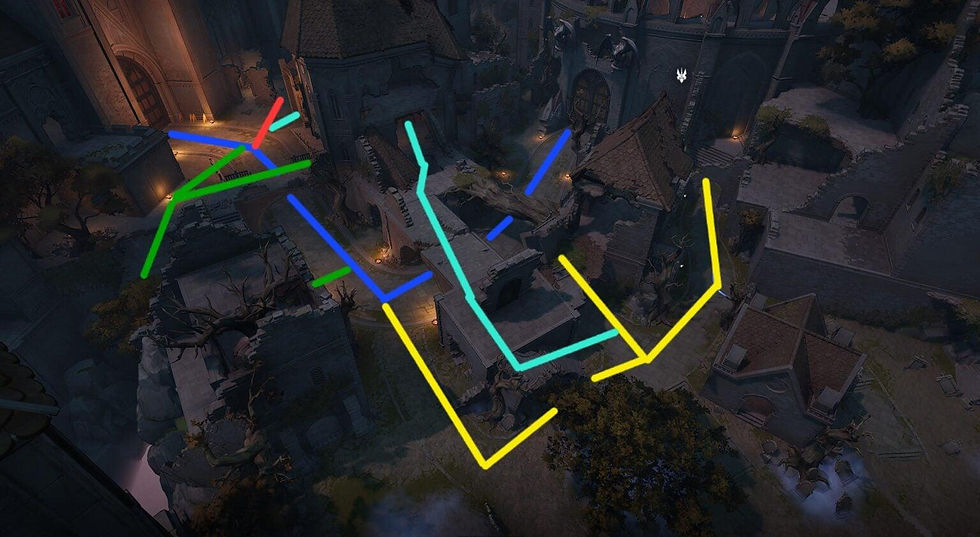
Vault Bridge Final Stand
The final stage takes place on the Vault Bridge—a narrow, high-pressure zone where matches are often decided.
There’s little room to maneuver, which means:
Team coordination becomes everything
Timing abilities is critical
Mistakes are heavily punished
Defenders rely on strong frontline control, while attackers must push aggressively without overextending. Aerial heroes can create crucial distractions, easing pressure on teammates below.
Although some destructible elements exist, they rarely dictate outcomes. This fight is all about execution.
Winning Strategy Tips
To consistently win on Lower Manhattan, you need to embrace its fast-paced, information-rich gameplay.
Focus on these core strategies:
Maintain constant pressure
Narrow pathways allow safe damage output and quick retreats
Attack from multiple directions
Split pressure forces defenders to react rather than hold
Use mobility to your advantage
Especially for healers who need to survive chaotic fights
Master Ultimate timing
The UAV system makes predictable plays easy to counter
Leverage verticality
Aerial pressure can dismantle even the strongest defenses
This map rewards proactive teams that think one step ahead.
Best Team Composition
A balanced composition is key to controlling all three chokepoints effectively.
Ideal roles include:
Durable Vanguards for frontline control
High-damage Duelists for sustained pressure
Mobile Strategists for healing and survivability
Top-performing heroes include:
Groot and Magneto for space control
Iron Man and The Punisher for damage output
Luna Snow and Rocket Raccoon for support
This synergy ensures strong performance across every phase of the map, from tight chokepoints to open engagements.
Final Thoughts
Lower Manhattan is more than just a map—it’s a test of awareness, coordination, and adaptability. With its UAV system, layered design, and high-pressure chokepoints, it pushes players to think faster and play smarter.
For gamers exploring competitive ecosystems—whether in traditional shooters or emerging blockchain games—this map is a perfect example of how modern PvP design continues to evolve.
Master it, and you’ll not only win more matches—you’ll outthink your opponents at every turn.


Comments