
Karma Exorcist Rises as Indie Hit


The Metroidvania genre is having a serious moment right now. From atmospheric exploration to tight, skill-based combat, players are rediscovering why this style of game remains so compelling. Into this revival steps Karma Exorcist, a visually striking 2D action platformer from developer Cyclos that’s already generating buzz among early previewers.
While it’s not a blockchain title (at least not yet), its design philosophy and progression systems feel very close to what we’re seeing in modern blockchain games—deep customization, player-driven builds, and rewarding exploration loops. Let’s break down why this game might become a standout indie hit.
A Journey Through a Dark Mythological Afterlife
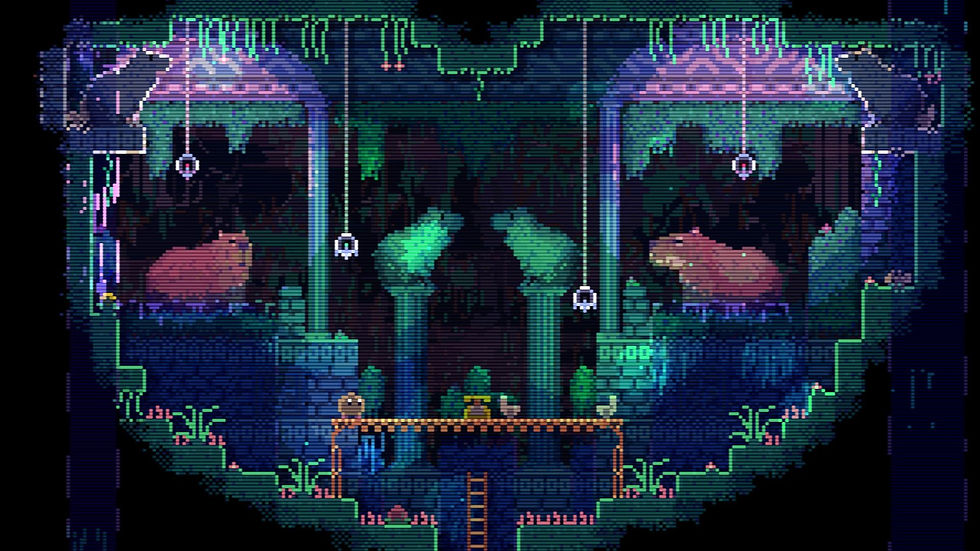
Karma Exorcist draws heavily from Chinese folklore, particularly the concept of Di Fu, often described as the Chinese equivalent of Hell. This isn’t just a visual theme—it shapes the entire world design and narrative tone.
You play as a mysterious demon slayer who awakens from the petrified finger of a colossal hand, with no memory and only a soul-slicing sword at your side. It’s a strong, almost poetic opening that immediately sets the tone: you’re not just fighting monsters—you’re navigating a cursed afterlife shaped by karma itself.
The world is divided into 11 distinct biomes, each with its own identity:
Fog-filled caves crawling with grotesque creatures
Desert ruins echoing forgotten civilizations
Haunted coastlines blooming with red spider lilies
This diversity isn’t just cosmetic—it feeds directly into exploration and gameplay strategy.
Classic Metroidvania Design Done Right
At its core, Karma Exorcist embraces the traditional Metroidvania loop:
Encounter barriers you can’t yet overcome
Explore elsewhere and gain new abilities
Return stronger and unlock previously inaccessible areas
This formula remains incredibly effective when executed well, and early previews suggest Cyclos understands the assignment.
What makes this especially interesting for fans of blockchain games is how similar this loop feels to progression systems in Web3 titles—where unlocking abilities, assets, or upgrades often opens new layers of gameplay.
Deep Customization and Build Variety
One of the strongest aspects of Karma Exorcist is its flexibility in how you approach combat. Players aren’t locked into a single playstyle—instead, the game encourages experimentation.
Here’s what stands out:
Weapons and Loadouts
20 unique weapons ranging from fast blades to heavy axes
8 loadouts that can be swapped on the fly
Designed to counter over 100 enemy types
Soul Gems and Talismans
These act as modifiers that shape your build:
Boost stamina regeneration
Provide temporary stat buffs
Enable specialized combat strategies
This kind of modular system feels very close to RPG-like NFT loadout mechanics we often see in blockchain ecosystems—minus the tokenization (for now).
Boss Fights That Demand Skill and Strategy
If customization is the foundation, bosses are the ultimate test.
Early previews highlight encounters with:
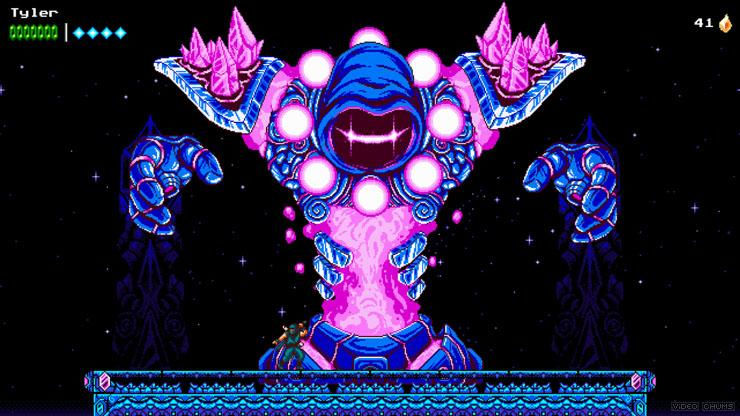
A ravenous Ghost King
A lightning-wielding, teleporting warrior monk
These aren’t just damage sponges—they require:
Precise timing
Smart loadout choices
Mastery of movement mechanics
Adding to the tension is the Shade mechanic. When you die:
Your maximum health is reduced
You must return to the place of death to recover your soul
It’s a risk-reward system that raises the stakes and encourages careful play.
The Soul-Snatching Chain Changes Everything
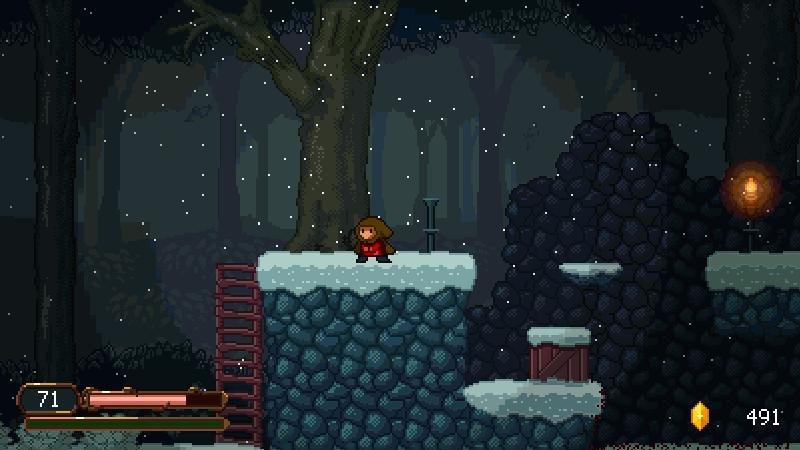
Perhaps the most unique feature is the Soul-Snatching Chain—a mechanic that blends traversal and combat into one fluid system.
Unlike standard grappling hooks, this ability includes:
Slow-motion aiming for precision
Advanced platforming interactions
Combat utility for aerial attacks and positioning
You can:
Launch yourself toward airborne enemies
Swing past shielded foes and strike weak points
Chain movements with dodge-rolls and healing mechanics
The result is combat that feels dynamic, skill-based, and highly rewarding.
A Promising Road to 2027
Karma Exorcist is still in development, and it shows. Early previews mention:
Incomplete UI elements
Occasional bugs and glitches
But that’s not a red flag—it’s an opportunity. With a planned release in 2027 across:
PlayStation 5
Xbox Series X|S
PC
Nintendo Switch
…the team has plenty of time to refine and polish the experience.
Why Karma Exorcist Matters for the Future of Gaming
Even without confirmed blockchain integration, Karma Exorcist reflects several trends shaping the future of gaming:
Player-driven builds and customization
Skill-based progression systems
Deep, replayable exploration loops
These are the same pillars driving innovation in blockchain games today.
If Cyclos ever decides to integrate Web3 elements—such as asset ownership or player economies—the game’s existing systems would support it naturally.
Final Thoughts
Karma Exorcist isn’t just another indie Metroidvania—it’s a game with artistic ambition, mechanical depth, and a clear vision. Its blend of folklore-inspired storytelling, flexible combat systems, and challenging gameplay could make it one of the most memorable releases of its generation.
For now, it stands as a reminder that whether in traditional or blockchain spaces, great game design always starts with compelling mechanics and immersive worlds.
And if early impressions are anything to go by, this is one journey into the afterlife worth taking.


Comments